 by
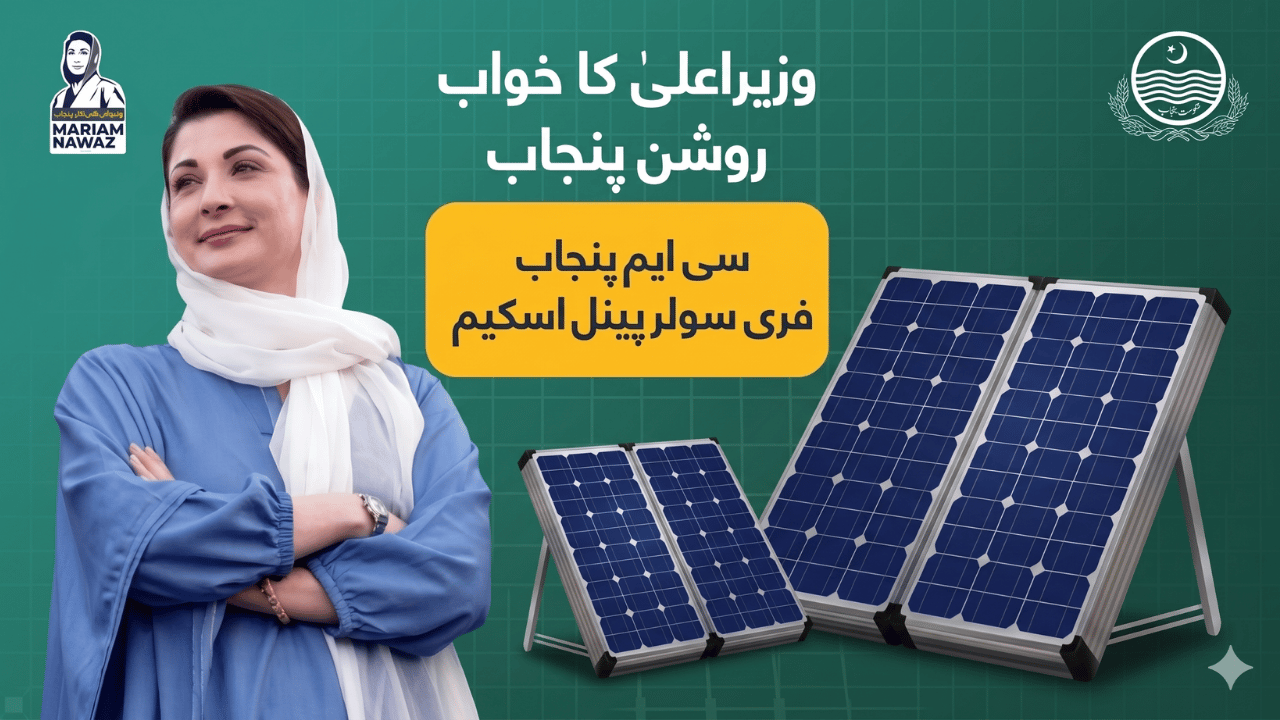
by As global utility prices soar and environmental concerns take center stage, governments worldwide are turning to renewable energy to alleviate the financial burden on citizens. In Pakistan, the CM Free Solar Scheme—spearheaded by the Government of Punjab under Chief Minister Maryam Nawaz—is revolutionizing the energy landscape. Originally launched to combat rising electricity costs, this multi-billion rupee government subsidy program has now been extended through December 2026, offering free solar panel installations to low-income households.
For individuals seeking relief from high energy bills and for stakeholders in the renewable energy sector, understanding the mechanics of this government-backed solar financing initiative is essential. Here is your comprehensive guide to navigating the Roshan Gharana Solar Program.
What is the CM Free Solar Panel Scheme 2026?
The CM Free Solar Scheme is a massive state-sponsored renewable energy grant designed to promote off-grid energy independence for residential consumers. By distributing over 94,000 solar energy systems completely free of charge, the government aims to shield vulnerable households from fluctuating utility tariffs while simultaneously reducing the strain on the national grid.
Unlike standard solar financing loans or net-metering setups that require high upfront capital, this initiative is a direct, 100% subsidized grant. It represents one of the largest public welfare investments in green technology in the region, costing approximately PKR 10 billion.
High-Value Financial Benefits: Maximizing Your Energy Savings
Transitioning to solar power usually requires significant financial investment. However, this government subsidy eliminates the barrier to entry, offering substantial economic benefits to the recipients:
- Zero Upfront Installation Costs: Eligible households receive the complete solar infrastructure—including photovoltaic (PV) panels, certified inverters, and basic battery backup—at absolutely no cost.
- Immediate Utility Cost Reduction: By generating their own renewable power, beneficiaries can drastically lower or even eliminate their monthly electricity bills, providing immediate financial relief.
- Tailored System Capacities: The grant is scaled to match household needs. Consumers using up to 100 units of electricity per month receive a 550-watt solar system, while those using up to 200 units are equipped with an 1100-watt solar system.
- Anti-Theft Security: To protect the investment, all distributed solar panels and inverters are digitally linked to the consumer’s Computerized National Identity Card (CNIC), preventing resale and theft.
Eligibility Criteria for the Solar Subsidy Grant
To ensure transparency and direct the funds toward those who need them most, the Punjab Information Technology Board (PITB) and the energy department have set strict, data-driven eligibility guidelines:
- Electricity Consumption Limit: The core requirement is low energy usage. The applicant’s historical utility data must show an average consumption of up to 200 units per month.
- Valid Utility Connection: The household must have an active, registered electricity connection in the applicant’s name. Defaulters on utility payments or individuals with a history of electricity theft are strictly disqualified.
- Provincial Residency: The applicant must be a permanent resident of Punjab holding a valid CNIC.
- No Dual Benefits: Individuals who have previously benefited from other provincial or federal solar grants cannot reapply.
Note: The final selection of eligible candidates is conducted through a computerized balloting process to maintain absolute fairness across all districts and tehsils.
Step-by-Step Guide: How to Apply Online or via SMS
Recognizing that low-income households may have varying levels of digital literacy, the government has streamlined the application process, offering both online and offline application methods:
Method 1: The Online Digital Portal
- Access the Official Website: Navigate to the dedicated government renewable energy portal at
cmsolarscheme.punjab.gov.pk. - Enter Credentials: Input your CNIC number and the electricity bill reference number exactly as they appear on your monthly utility invoice.
- Submit and Track: The portal will verify your consumption data in real-time. Once validated, your application will be entered into the upcoming computer ballot.
Method 2: The SMS Application System
For those without smartphone or internet access, applying is as simple as sending a text message:
- Open the SMS application on your mobile phone.
- Type your Electricity Reference Number, followed by a space, and then your CNIC Number.
- Send the message to the official shortcode 8800. You will receive an automated confirmation text verifying your entry into the scheme.
The Economic and Environmental Impact of the Scheme
Beyond personal financial relief, the broader implications of the CM Free Solar Scheme on the local economy and environment are profound. By shifting nearly 100,000 households to off-grid solar solutions, the province expects to reduce carbon emissions by an estimated 57,000 tons annually. Furthermore, this massive deployment is boosting the local renewable energy market, creating demand for solar technicians, installation companies, and maintenance professionals.
Conclusion: Securing Your Renewable Energy Future
The CM Free Solar Scheme is a transformative government subsidy that turns the dream of clean, affordable energy into a reality for low-income families. As electricity tariffs continue to rise globally, leveraging state-sponsored renewable energy grants is the smartest financial move a household can make. With the deadline recently extended to December 2026, eligible consumers should act quickly. Check your latest utility bills, verify your consumption, and apply immediately to secure your completely free solar energy system and safeguard your financial future against rising utility costs.